
Showing posts with label Readings. Show all posts
Showing posts with label Readings. Show all posts
Monday, December 12, 2016
Thank you WARP Professors!
Thank you to all the WARP professors, I learned so much from all of you! Thank you for your patience, advice, and time. I hope to have you all as teachers again ! You are all truly amazing, have a great winter break! I'll see you all in the Spring !


Sunday, November 20, 2016
Book fair Lecture #2 Keith Knight
The second lecture I went to was They Shoot black people, Don't they? What this lecture was about, a cartoonist named Keith Knight. Who showed a slideshow of his cartoons that show brutality and injustices towards black people. He basically shows 20 years or more of police brutality and racial injustice in the US. A few of the comics he showed had a bow up doll Wilbur, he would put five black people on the road and it would be considered a gang but if they were holding the blowup Wilbur doll it was like they were with a coach or something.
He really hits you hard with his comics and makes you think. He talked about how white people get uncomfortable talking about race and within 6 seconds change the subject and he says how we need to end this and we need to face the awkwardness, and I agree. We are getting nowhere pretending like nothing is wrong if you got something to say or ask I think you should. We have to learn from our past and our mistakes to fix our future. I think he does an excellent job through his comics showing the tragicomedy he talks about something so serious but then he puts it in a funny way. It really makes me think how I could do that with my art. How to make something so terrible and make it funny and both make you laugh and think at the same time.
He really hits you hard with his comics and makes you think. He talked about how white people get uncomfortable talking about race and within 6 seconds change the subject and he says how we need to end this and we need to face the awkwardness, and I agree. We are getting nowhere pretending like nothing is wrong if you got something to say or ask I think you should. We have to learn from our past and our mistakes to fix our future. I think he does an excellent job through his comics showing the tragicomedy he talks about something so serious but then he puts it in a funny way. It really makes me think how I could do that with my art. How to make something so terrible and make it funny and both make you laugh and think at the same time.
Book Fair Lecture #1 Tom Hart
The first lecture I went to was the Child's eye view, the panel consisted of three authors, Meags Fitzgerald who wrote Long red hair, which basically is her life story about her being a lesbian. It was how she differed from her friends. What I found most interesting was that she didn't tell her whole family only her immediate family not her extended family that she was a lesbian. She used her book as a way to come out to the world. She also talked about how it was her fist comic actually using panels, I found his interesting because I don't think comics need to be framed in a panels to tell a story. She also only used two speech bubbles in her entire book, which to me showed that you don't need characters always talking to get the message of the story across.
Another author on the panel was Emil Ferris. who wrote the book My favorite thing is monsters , what is like about this comic is that she is writing from a little girls point of view she also used a lot of horror movie things she saw in her graphic novel. The last author in the panel was Tom Hart who wrote Rosalie Lightening: A Graphic Memoir. He talked a lot about how he was inspired by Peanuts comics and always did very funny comics. But after his daughter died he decided to do a serious graphic memoir of her life. What I took from this was you can be a very uplifting person but if you have love or passion for something you will show it and describe it and write about it to tell the world how you feel.
Another author on the panel was Emil Ferris. who wrote the book My favorite thing is monsters , what is like about this comic is that she is writing from a little girls point of view she also used a lot of horror movie things she saw in her graphic novel. The last author in the panel was Tom Hart who wrote Rosalie Lightening: A Graphic Memoir. He talked a lot about how he was inspired by Peanuts comics and always did very funny comics. But after his daughter died he decided to do a serious graphic memoir of her life. What I took from this was you can be a very uplifting person but if you have love or passion for something you will show it and describe it and write about it to tell the world how you feel.
Sunday, November 6, 2016
"What is Comics Poetry?" Reading/Response
What is Comic Poetry: is an essay that was written by Alexander Rothman (editor-in-chief of INK BRICK). In this essay he basically tells us what he thinks comic poetry is and how he would define it. He makes it clear throughout the essay that these our his opinions and that views and that it can be a little bit broad. In the essay he defines poetry as "the purest example of a form where the medium is language." And later goes on to define comics as "a form built from visual language, with juxtaposition as its foundational strategy."
Rothman throughout the essay talks about comic poetry and how we understand it. I never really thought about it but when you read comics they take you to that place you can imagine the whole scene like you were actually there. For example in the essay he put in a little cartoon by Warren Craghead its a drawing of a cannon with to outline figures that we perceive ghostly, and above in cursive it says "listen" in my head I actually imagined a cannon being shot. Its crazy to me how we can easily perceive certain fonts or text bubbles and know that they are suppose to be thoughts or screaming, just by how it is set up.
I'm glad I read this before starting my comic poetry for class because of when he says "so much depends on a red wheel barrow" so why would you draw a wheel barrow next to that text it is dead weight. It really made me think about what I should do for my piece to not make it a duplication of text and drawing.
Rothman throughout the essay talks about comic poetry and how we understand it. I never really thought about it but when you read comics they take you to that place you can imagine the whole scene like you were actually there. For example in the essay he put in a little cartoon by Warren Craghead its a drawing of a cannon with to outline figures that we perceive ghostly, and above in cursive it says "listen" in my head I actually imagined a cannon being shot. Its crazy to me how we can easily perceive certain fonts or text bubbles and know that they are suppose to be thoughts or screaming, just by how it is set up.
I'm glad I read this before starting my comic poetry for class because of when he says "so much depends on a red wheel barrow" so why would you draw a wheel barrow next to that text it is dead weight. It really made me think about what I should do for my piece to not make it a duplication of text and drawing.
Wednesday, October 26, 2016
Landscape Questions
- Buckminster Fuller--When was he working?
- Buckminster Fuller was working between 1974-1983.
- Parco del Mostri--Where, when, what's your favorite image?
- Parco del Mostri is located in Bomarzo, which is in northern Lazio, Italy. All of the gardens here were made in the 16th century. This is my favorite image I saw because I love animals and I love sculpture so its a perfect combination of them both.

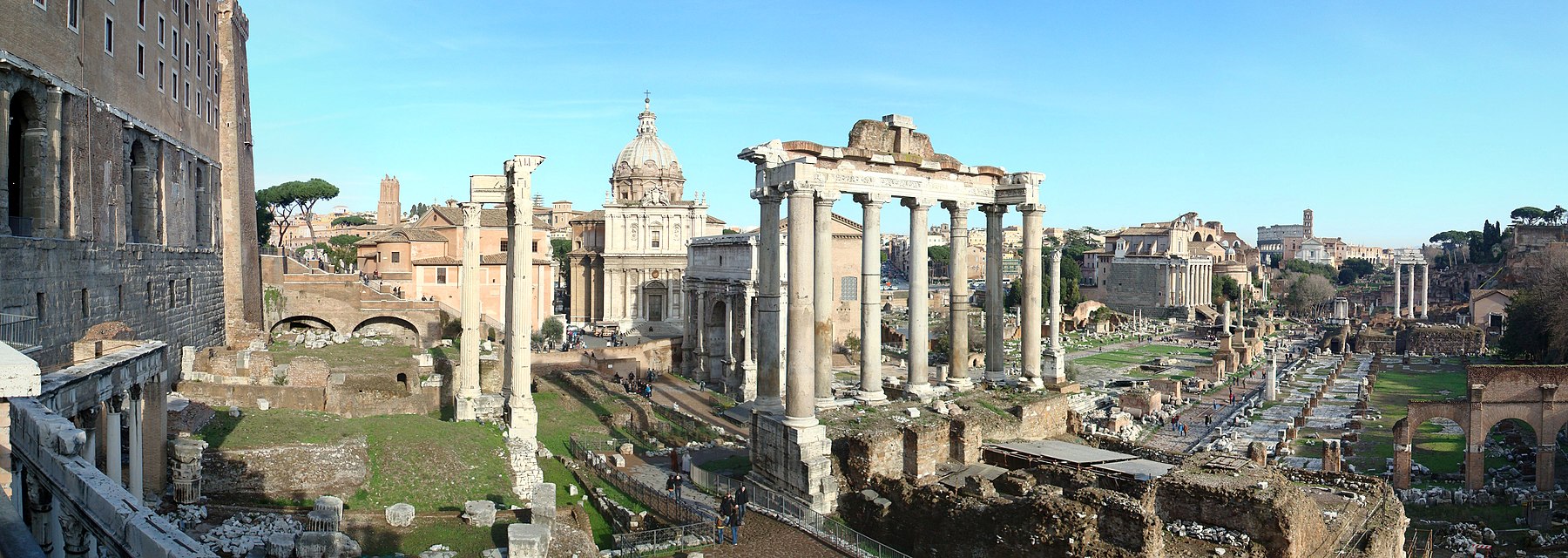
- Roman Forum--What function did it have? Where, when, what's your favorite image?
- The Roman Forum's function was to provide Rome with Public life they hosted many events and speeches there. It is located in the center of Rome between Palatine and Capitoline Hills. This was my favorite image because it really shows all of its beauty.
- Boboli Garden--Where, when, what's your favorite image?
The Boboli Gardens is a park that is located in Florence, Italy, the sculptures there date back from the 16th-18th centuries. This is my favorite image because I can imagine getting lost in this maze. I've always loved mazes.
- Jardin du Luxembourg--Where, when, what's your favorite image?
- Located in the 6th arrondissement of Paris is the Jardin du Luxembourg. It was created beginning in 1612 by Marie de' Medici. This is my favorite image because I find this place to be really relaxing and calming.
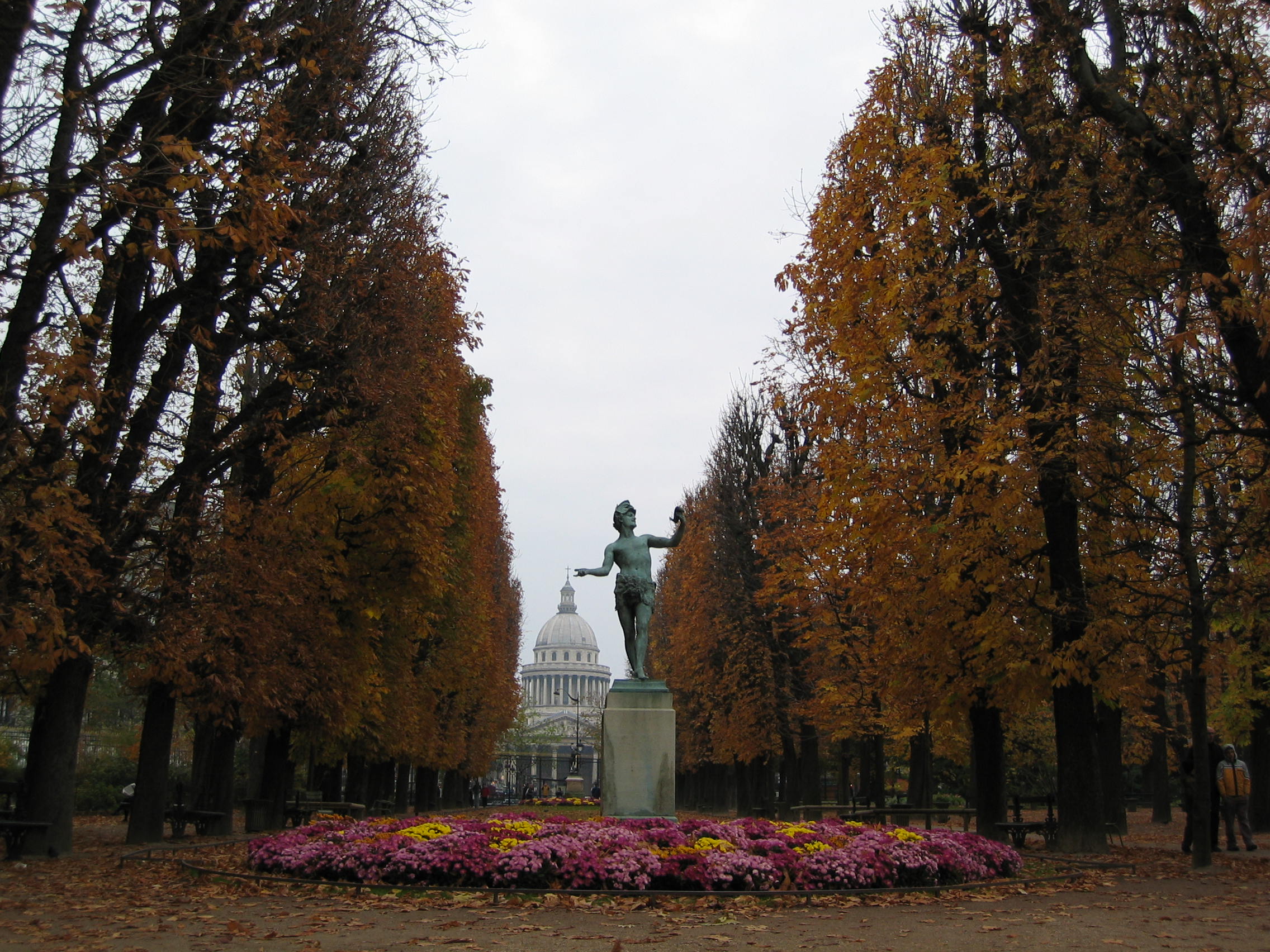
- Tivoli Garden (Italy)--Where, when, what's your favorite image?
The Villa d'Este was made in the 16th century, in Tivoli, which is near Rome. This is my favorite image because it shows the beautiful fountains it is famous for.
- Bernini's Four Rivers--Where, when, what's your favorite image?
The Fountain of the Four Rivers is located in the Piazza Navona which is in Rome, Italy. It was designed in 1651 by Gian Lorenzo Bernini. This is my favorite image because even though it is the back of the piece the sculptures still have so much ddetail its amazingly beautiful.
- Jean Dubuffet's Jardin d'Emaille--Where, when, what's your favorite image? The artist Jean Dubuffet created this garden in 1974. He basically made an artificial garden in a garden of real trees and real nature. I really like this picture because I like how the artist made something very artificial but surround it by nature.

- Stowe Garden--Where, when, what's your favorite image? Stowe Garden was made in 1683, in Stowe, Buckinghamshire, England. This is my favorite image because I think the bridge is beautiful and I just want to walk across it!

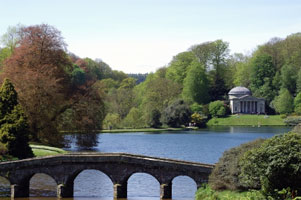
- Stourhead Garden--Where, when, what's your favorite image? Stourhead Garden is located in Mere, Wiltshire, England, it opened in 1725. I really like this image because the water looks very calm and beautiful and you can tell how long ago it was made but it still looks amazing.
- Viscaya Museum--Why is this in Miami? What is it named after? Who is responsible for it being built? Where, when, what's your favorite image?
- Vizcaya Museum, is probably in Miami because of James Deering the owner. He used vizcaya as his winter home. It was made during 1914-1923. He named it Vizcaya because in English it means Biscay and it is located along the west Atlantic Biscayne Bay, in Miami, Florida. I really like this image because this is the only way I've ever seen Vizcaya is on a boat from the ocean!

- Fairchild Tropical Garden--Why is this in Miami? Who is it named after? Where, when, what's your favorite image
- Fairchild is in Miami because we have the most palms and cycads. Although the garden was established by Robert Montgomery it was named after his best friend David Fairchild, because he was a great plant explorer. It is located in Miami, Florida right next to Matheson Hammock Park. Fairchild opened to the public in 1938. I really love this picture because I think this is a very beautiful sculpture I also find it funny that its a fake flower in a huge garden full of real ones!

Sunday, October 23, 2016
Chapter One: "Green Dreams:Gardens" Reading/Response
Chapter one Green Dreams: Gardens, to me this chapter started of a little bit confusing. The author Robert Harbison, makes a lot of metaphors and references that I didn't get, but when I did understand them it was very satisfying. To me its like the author is going between reality and dreams. The chapter is about all different gardens and how he perceives and views them. He talks a lot about all the symbolism happening in all the gardens. He goes into great depth when he is describes the gardens.
What I enjoyed learning from this was all the different types of gardens there are in the world. The garden I envisioned the most from the reading was the Japanese sand gardens (from page 13). I can just imagine how simple and beautiful it must be to just appreciate the natural beauty as art. This chapter really shows how art and nature collide and how people often try to mix them together.
What I got out of this reading is that all gardens have their own meaning and have something to tell and they all differ from each other. Everything can be symbolized even if the artist has a specific meaning behind it, I feel like it is still up to the viewer to make their own narrative. This chapter really awakens me to all the space around us and for me at least makes me want to go out and reexamine everything I've seen.
What I enjoyed learning from this was all the different types of gardens there are in the world. The garden I envisioned the most from the reading was the Japanese sand gardens (from page 13). I can just imagine how simple and beautiful it must be to just appreciate the natural beauty as art. This chapter really shows how art and nature collide and how people often try to mix them together.
What I got out of this reading is that all gardens have their own meaning and have something to tell and they all differ from each other. Everything can be symbolized even if the artist has a specific meaning behind it, I feel like it is still up to the viewer to make their own narrative. This chapter really awakens me to all the space around us and for me at least makes me want to go out and reexamine everything I've seen.
Saturday, October 1, 2016
A People's Art History of the United States - Reading Response
Photographs are a great way of documentation, because it is a picture of something that was happening in the past. In this article it talks about photographer Edward Curtis who took pictures of native americans, but instead of showing exactly what was happening then he would stage his photos, and then go on to edit it them to make them look more dramatic. Then we would go off and sell them for $3000-$4000 he didn’t care about the native americans he only cared about that money and the fame. He ignored everyday realities that these people faced, his images were very selective, they didn’t show the issues of modernization or poverty, he even ignored everyday joy and wouldn’t show pictures of his subjects smiling. I think what he did was disgraceful he didn’t care about these people he just wanted to make a quick buck, what he did was objectify these people and made them look a certain way, and people were attracted to these images and created lasting stereotypes.
However the article also talked about another photographer who was native Richard Throssel, he took photos from the inside and actually showed what these people were actually like. He cared for his people he didn’t do it for money, he also staged photos but he did it for the health and safety of his people he wanted to stop the spread of disease. I believe what he did was good because if we didn’t have his photos today all we would have is Curtis’ photos which he made and wasn’t a really depiction of what was going on at the time. But even though Curtis’ pictures were staged I think it is good we have them because it is history after all and I’m sure if you had family members back then you would love to see any pictures you could of them.
The Rhinoceros from Durer to Stubbs 1515-1799 Reading Response
Durer’s rhinoceros is known to be a woodcut that Albrecht Durer made in 1515. The piece he made is based on a written description of the Indian Rhinos. He never even saw a rhino himself he just made it based on how it was described. Although his woodcut is not exactly what a rhino looks like I think he did a good job for the most part for never seeing a rhino in real life. His woodcut had the horn on the back of the animal and gave him basically armor skin and very scaly legs. Even though it had so many inaccuracies it still became very popular.
It was the 1500s there was no google for people to just search up what a rhino was people had to imagine it themselves based on what they’ve heard from others. Today you may find it hard to imagine what that is even like because when we think of a rhino we automatically know exactly what it looks like back then they hd no idea! I wonder what I would have pictured a rhino to look like if I never actually knew what they looked like.
Friday, September 16, 2016
CAM Raleigh: Ornament and Pattern -- Reading
This article shows the importance of pattern, design, and ornament, how they are essential to our lives. The author talks about how Ornament and pattern are like form-based languages — the visual articulation of ideas. I agree with this when we see patterns and designs we make up our own meanings, they show us something new. The Latin root of the ornament- orno - means to equip, to adorn, and by extension, to honor.
Back in the day ornaments had great sentimental meanings or would be used in culture or religion. The article talks about the different types of ornament there are and how they change over time. But they never disappear, ornament and pattern is everywhere we look, its what we are accustomed to. This article also gives a better understanding about what we have been learning in class. After reading this you really realize how important pattern and ornament are important to us.
Back in the day ornaments had great sentimental meanings or would be used in culture or religion. The article talks about the different types of ornament there are and how they change over time. But they never disappear, ornament and pattern is everywhere we look, its what we are accustomed to. This article also gives a better understanding about what we have been learning in class. After reading this you really realize how important pattern and ornament are important to us.
Saturday, September 10, 2016
Ivins, William M. ""Ornament" and the Sources of Design in the Decorative Arts." Reading
Ivins starts by talking about the craftsmanship of things and what schools are teaching. I like how he continues to go back to compare the craft to music. How people don't necessarily write the music but they can play it, just like in art. We are taught a certain technique and suppose to mimic it. There is nothing we make that hasn't been made before. Ornament's however, are made from men who have the greatest popular fame as engravers and etchers of pictorial prints, their ornaments are "original" or variations or just mostly copies. Most ornaments are made by man, learned in the different crafts they were working in, their designs however were more for the purpose of letting it be engraved by other hands.
But the earliest most influential ornament, was designed by painters because the decoration on the flat surface was copied by engravers and draftsmen and it spread broadcast through the community. But that changed and then from time to time new decorative elements would appear an they were utilized and adapted by the designers . This has lasted till present day, the great succeeding styles in any class of "work of art" being most instances either initiated or disseminated by the specialized designers. The several great styles of the English eighteenth century are not even known after the actual makers, but by the names on the pattern books.
My favorite section of this reading is when they said "The museums here for a generation have been aware that the whole of art is not to be found in sculpture and painting, and most important and valuable collections of furniture, woodwork, pottery, plate, and textiles have been formed at many places, notably at the Metropolitan Museum, the collections of which have been made extraordinarily rich through the generosity of the late J. Pierpont Morgan and his son. These collections are having a most gratifying effect upon the prevailing standards of craftsmanship in this country," I like how this has an effect on people because there is such a craft and skill to make furniture, woodwork, pottery, plate, and textiles.
I agree with the author when he says ", it would seem as though the development of design in this country must of necessity fall behind the development of craftsmanship until such time as those collections are supplemented in our public institutions by collections of the drawings, prints, and book decorations made by the great masters of ornament, and the public is taught their use and value" I think it is very important for everyone to learn about the masters who have just been forgotten but techniques and crafts and designs are still used.
But the earliest most influential ornament, was designed by painters because the decoration on the flat surface was copied by engravers and draftsmen and it spread broadcast through the community. But that changed and then from time to time new decorative elements would appear an they were utilized and adapted by the designers . This has lasted till present day, the great succeeding styles in any class of "work of art" being most instances either initiated or disseminated by the specialized designers. The several great styles of the English eighteenth century are not even known after the actual makers, but by the names on the pattern books.
My favorite section of this reading is when they said "The museums here for a generation have been aware that the whole of art is not to be found in sculpture and painting, and most important and valuable collections of furniture, woodwork, pottery, plate, and textiles have been formed at many places, notably at the Metropolitan Museum, the collections of which have been made extraordinarily rich through the generosity of the late J. Pierpont Morgan and his son. These collections are having a most gratifying effect upon the prevailing standards of craftsmanship in this country," I like how this has an effect on people because there is such a craft and skill to make furniture, woodwork, pottery, plate, and textiles.
I agree with the author when he says ", it would seem as though the development of design in this country must of necessity fall behind the development of craftsmanship until such time as those collections are supplemented in our public institutions by collections of the drawings, prints, and book decorations made by the great masters of ornament, and the public is taught their use and value" I think it is very important for everyone to learn about the masters who have just been forgotten but techniques and crafts and designs are still used.
Wednesday, September 7, 2016
ICA Response
Susan Te Kahurangi King's artwork is very inspirational to me. After reading her story and looking through her exhibit and learning that she is severely autistic, I was amazed. Her art makes you want to just stop and stare, and get lost in her piece to figure out what could have been going through her head while she was making these. I like how in her art, she uses such vibrant colors. Color always attracts me and she knows how to use them very well.


Ida Applebroog's art really speaks to me, I love how she makes art on how she feels about the role mass media plays in desensitizing the public to inequity. I also make art like this but instead of gender, sexual identity, or politics, I do animal rights. In her art and my art we both try to get people to see the ugly truth that the media and big corporations try to hide.
Edited 9/7/16


Ida Applebroog's art really speaks to me, I love how she makes art on how she feels about the role mass media plays in desensitizing the public to inequity. I also make art like this but instead of gender, sexual identity, or politics, I do animal rights. In her art and my art we both try to get people to see the ugly truth that the media and big corporations try to hide.
Edited 9/7/16
Thursday, August 25, 2016
WARP First Post
Labels Help You Organize
All blog posts must be labeled with two keywords, which blogger calls Labels. When faculty visits your blog for evaluation purposes, we will use the labels to quickly find your work. If you do not use the keywords properly, we will not be able to find your work. Proper set-up and maintenance of your blog falls under the Research and Participation part of your grade which counts for 30% of the overall semester grade.
Topical Keywords
The first set of keywords correspond to the module we are working in. We will refer to these as topical keywords since they correspond to the topic we are exploring over the two-week periods. Your first group of posts will be labeled under Topic: Creative Impulse since this is the first topic (Topic #1). Here are the topical keywords you will use through out the semester:
Topic: Creative Impulse
Topic: Pattern and Ornament
Topic: Rhinoceros
Topic: Narrative
Topic: Landscape
Topic: Zine
Categorical Keywords
The second set of keywords will organize your posts according to kind. Here are the Keywords you will use for Labels:
Exercises - tag for posts documenting all assigned exercises. The first one will be the paper folding exercise from the first class.
Readings - tag for posts containing your two paragraph responses to the assigned readings. The first ones will be for "The White Bird" and the Jerry Saltz article from Vulture.com.
Small Works - tag for posts documenting all assigned small works. The first blog post labeled Small Works will contain images and accompanying descriptions of the three small works you complete for the Creative Impulse Module (Topic #1).
In-Depth Projects - tag for posts documenting all assigned In-Depth projects. The first blog post labeled In-Depth Projects will contain images (or video if appropriate) and accompanying descriptions of the more robust work you produce in response to the Creative Impulse Module (Topic #1).
Outside Visits - tag for posts containing your two paragraph responses to all required visits outside of the classroom. These include visits we do together as a class [during class time] or individually outside of class time.
Please be sure to use both a topical and categorical keyword when labeling your posts.
Subscribe to:
Posts (Atom)